
Losing access to food assistance can quickly turn everyday life into a struggle for families who depend on it to survive. For millions of Americans, cuts to the Supplemental Nutrition Assistance Program (SNAP), commonly known as food stamps, has caused exactly that. These benefits have helped low-income households afford basic meals and when they are reduced, the ripple effect spreads through the entire community,
SNAP is the largest anti-hunger program in the United States. According to the U.S Department of Agriculture (USDA), SNAP exists to “provide nutrition benefits to supplement the food budget of families in need so they can purchase healthy food.” Around 42 million people around the world rely on it each month. When benefits are reduced children, seniors and people with disabilities feel the impact immediately.
Several states and federal policies have shifted in recent years, tightening eligibility rules or reducing monthly SNAP amounts. Reports from NPR explain that “when emergency pandemic benefits ended, most families lost $95 to over $250 a month in food assistance, depending on household size.” The money a family can spread with $95-$250 is very limited. This would only cover basic needs such as groceries or gas.
For many people, losing SNAP benefits leads to food insecurity, meaning they do not have enough food to live a healthy life. Children are especially affected. Research from CBPP shows that “households with kids often depend on SNAP to help provide consistent meals during the school year and summer months. Without it, children can struggle academically, emotionally, and physically.”
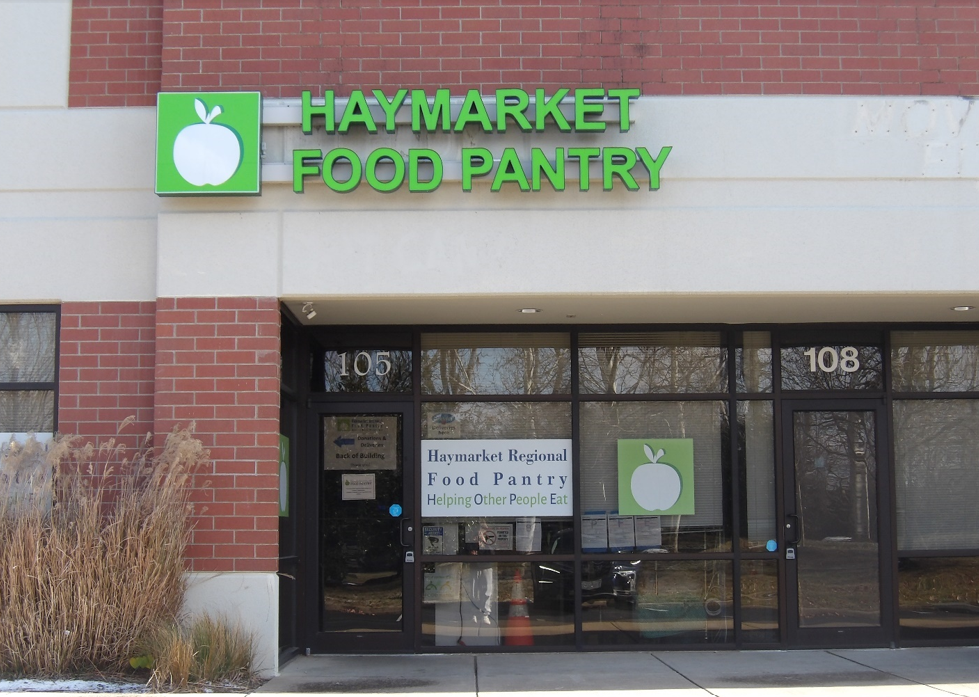
As families are receiving fewer benefits, food banks and local pantries have become overwhelmed. According to ABC News, “many food banks are struggling with higher demand for food, lower amounts of food donations, and increased operational costs.” Some states, including California, New York, Illinois, Connecticut and Vermont, have used emergency funds to keep food banks and pantries stocked, but these temporary solutions are not enough to replace SNAP benefits.
Even in school, food drives have become more important. Staff and students collected canned goods, boxed meals and snacks to help families who can no longer stretch their food budget. Some schools had a Thanksgiving drive for families in need or even Christmas drives to help parents who are struggling to give their children the Christmas they deserve.
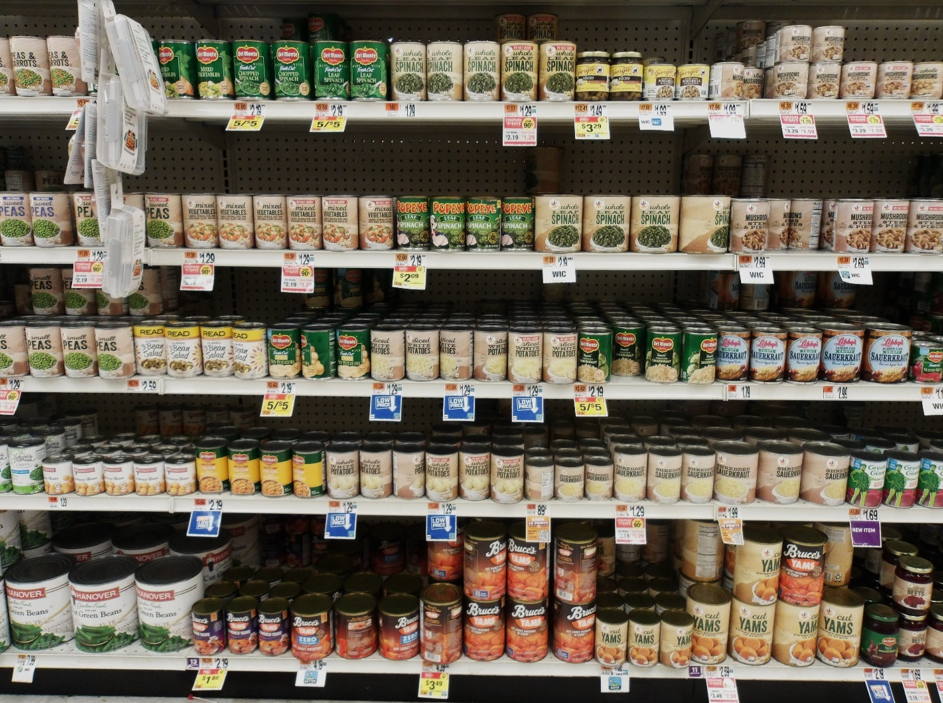
Michelle Mahoney, a Social Worker at Patriot High School who helps support families in need, explained that clubs such as “Student Council Association (SCA), National Honors Society, AP Scholars, Law Club, FCCLA and Red Nation have all been helpful to be able to make it possible.” Mahoney stated that “without the help of the clubs, the food drives wouldn’t be as successful.”
She explained that she “provides clubs with a list of needed items, and they collect donations and gift cards for specific items, such as turkeys.” Each club is assigned a list of food to help support families during the holidays.
This year, PTHS had about 45 families on the list in need of Thanksgiving support. Mahoney mentioned that “she met with our feeder schools’ social workers over zoom, including those from Piney Branch Elementary School, Bristow Run Elementary School, Cedar Point Elementary and Gainesville Middle school, to ensure families were divided fairly among schools.”
This coordination helps ensure resources are distributed efficiently. After communication and planning, PHS ultimately supported about 30 families.
Mahoney mentioned that “high school levels have a lot more families to help and support than elementary and middle schools.” She added that “she was grateful that Patriot students and families quickly signed up to help other Patriot families.” She also mentioned that “many parents emailed her asking how they could help, while families receiving assistance sent messages expressing gratitude.”
Patriot High School is also participating in a Toys 4 Tots donation competition against rival school Battlefield High School. Donations will be counted on December 16th, and which ever school collects fewer items will have its principal wear the opposing school’s colors for an entire day. At the end of the competition, both schools will combine their donations and send them to Toys 4 Tots to support children in need of Christmas gifts.
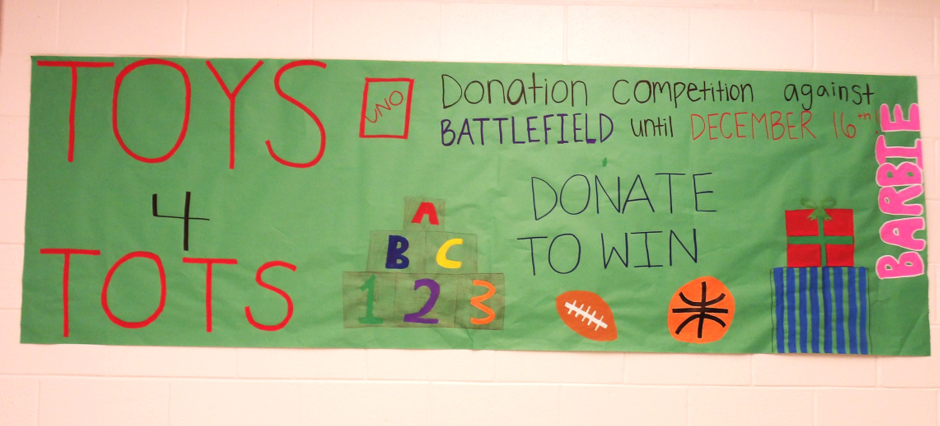
If Patriot High School loses, Principal David Van Gelder will wear Purple to school. If Battlefield High School loses, Delores Lucas the Principle will wear Patriot colors red, navy blue and white for the day. Amy Lenahan, a Leadership and SCA sponsor, created the competition. Lenahan mentioned that “the award for winning is getting to brag that you beat the other school.”
According to NBC Washington News, there are “10 Prince William County Schools piloting small but mighty food pantries supported by the Capital Area Food Bank and the Prince William County Community Foundation.” Mahoney mentioned that “schools work together across the county to ensure each school supports an equal number of families.”
Cuts to food assistance don’t just affect individuals; they affect entire communities. Families facing hunger may experience increased stress, difficulty focusing on work or school, poor long-term health, and higher reliance on community programs. SNAP was designed to prevent these issues. Advocates argue that restoring stronger benefits would help stabilize households and reduce pressure on food banks.
SNAP is more than a government program; it is a lifeline for millions. As benefits shrink, families across the country are forced to make difficult decisions about food, health and survival. With food banks overwhelmed and grocery prices continuing to rise, many advocates believe reinstating stronger SNAP is essential to reducing hunger and supporting vulnerable communities.
SNAP benefits can be made stronger by increasing the amount of money families receive so they can afford healthy food choices. Many benefits are not enough to cover rising grocery prices, so raising benefit levels would help reduce hunger and food insecurity. Another way to strengthen SNAP is by expanding who qualifies and making the application process easier. Some people lose benefits because of strict rules, paperwork or work requirements. Reducing those barriers would make sure more families, children, seniors and people with disabilities can access food assistance when they need it.
![A photo of the United States Capitol. [Mike Konczewski via Wikimedia, Creative Commons License]](https://phscharge.com/wp-content/uploads/2026/02/maggie-article-pic.png)