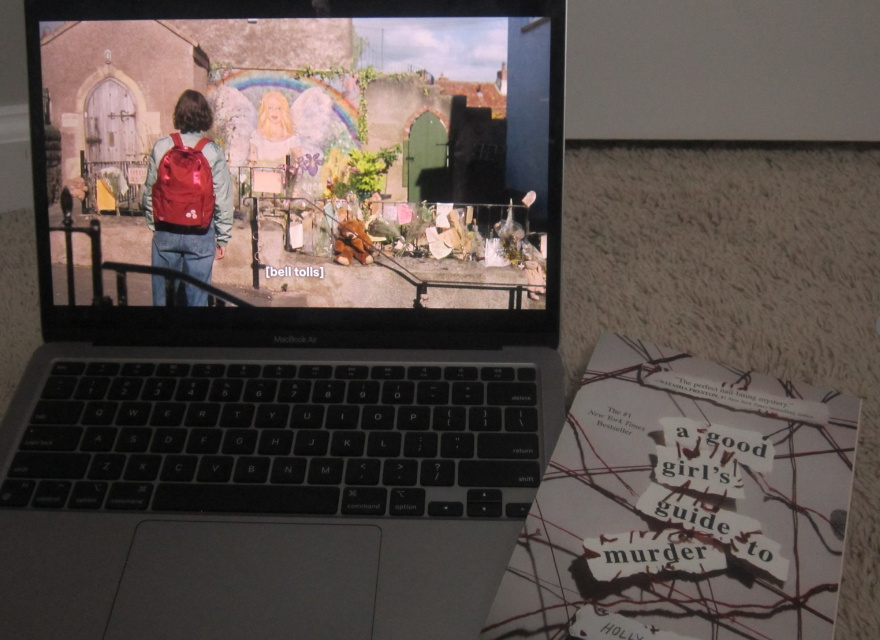

![A frame from the finale episode of "Stranger Things". [Alesha Malik]](https://phscharge.com/wp-content/uploads/2026/01/Screenshot-2026-01-14-122258.png)
The Conformity Gate theory, the Dungeons & Dragons theory, and even the Truman Show theory are all a result of the “Stranger Things” fans—or, more accurately, “Stranger Things” detectives. Fans aren’t just watching the show anymore—they are dissecting it.
Across many social media platforms, fans are freezing scenes to find clues in the background, colors, dialogues, and anything that could hint at a hidden meaning or ending. What started out as a “Science Fiction” horror show has now turned into a huge fan-based theory rabbit hole. Fans aren’t just passive spectators but active participants, trying to find meaning beyond what is shown.
This raises a question that many are beginning to ask themselves. Is this driven by admiration and interest? Or is it something deeper? Anger, attachment, and disappointment? Can “Stranger Things” fans truly come to peace with the ending? To understand why fans analyze “Stranger Things” so deeply, it’s important to recognize how long the show has been a part of their lives.
Why do people feel so attached?

According to Epguides, “Stranger Things” first aired on July 15, 2016, and its last episode aired December 31, 2025, filming on and off for nearly 9 and a ½ years. The length of the show meant that literally many of the viewers grew along with the characters, sometimes even at similar ages.
When viewers grow up with a show, deeper connections with the characters form, feeling like they’re truly a part of it because they’re growing together. The characters feel familiar, almost as if they are part of the fans’ lives. This sense of connection might explain why letting go of “Stranger Things” is so hard. Viewers found not only comfort in the show, but familiarity as well.
Additionally, many of the characters are similar to high school viewers and reflect struggles that are commonly faced. Themes such as peer pressure, friendship, and identity crisis are predominant in both the show and current teenage life.
High schoolers often struggle with identity and self-image, issues that are commonly portrayed in characters like Will and Eleven. Eleven, having to try to fit into a new school, is criticized and bullied by her peers. Will, struggling with his identity, has difficulty finding peace within himself and fears rejection from those around him.
These types of themes make it personal for the viewer, making the ending have an almost impossible expectation. “Stranger Things” was never about just defeating Vecna or saving Hawkins. It is connected to nostalgia, friendship, and self-growth; something that high schoolers are constantly trying to achieve and feel.
That may be why the ending felt so personal. For many viewers, the story felt as if it was a part of them and deserved an almost impossible perfect ending.
How attachment led to disappointment
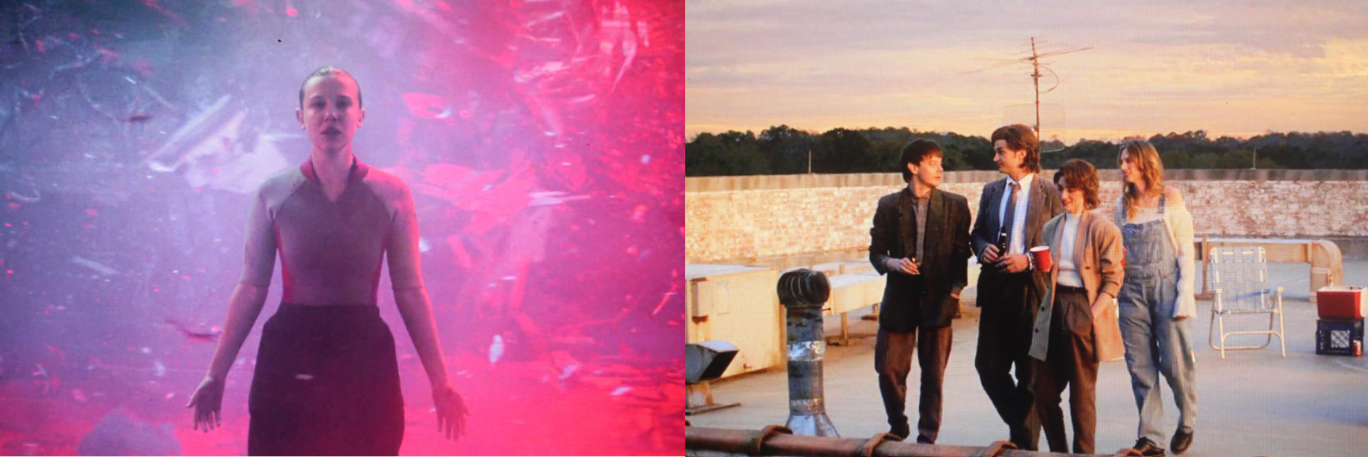
When people feel close to a show, they expect the ending to give them complete satisfaction and closure. Despite this, it’s nearly impossible for everyone to feel satisfaction from one ending, which is why shows rarely meet those expectations.
Students at Patriot High School were asked if they were satisfied with the ending of “Stranger Things.” Kaitlyn Singher (‘27) explained that “It was sloppy, and it didn’t feel as if there were enough stakes when they were fighting Vecna and the Mind Flayer”.
But does that mean the ending was necessarily bad? Another student, Rhea Sharma (‘29), said that the ending felt “bittersweet” and was relatively satisfied with the ending.
Creating your own reality

That dissatisfaction often leads to fans creating their own reality. Making theories can allow the viewers to regain a sense of control and remain connected. Even after it ends, fans can keep it alive but twist the ending. When an ending doesn’t align with what the fans wanted, fans look for a way to regain control over the story. Many theories have been displayed on social media, with one of these being something known as Conformity Gate.
According to Forbes, the Conformity theory was first started by “Stranger Things” fan Jess @67gate on X on Jan. 1, 2026. The theory stated that the ending of season five is an illusion created by Vecna, and they were all under his control.
Fans found many scenes backing up their theory, including the blank signs and the students being in the same pose that Henry Creel/Vecna has in the graduation scene. Also, a board game named Mr. Whatsit appeared many times in the background. Not only that, but several other details, like different colors of objects, convinced fans as well.
Another example of this is The Dungeons and Dragons Theory, which is the idea that the whole event they are going through is a Dungeons and Dragons game. This theory was first based on the fact that the characters they had were similar to Dungeons and Dragons characters. The last episode, ending with a final game of Dungeons and Dragons, had also increased the belief of this theory.
These theories are thought to mainly be about being right, but more about preserving the connection and emotional disclosure.
Conclusion
This pattern is not only in “Stranger Things”, but in many popular shows. Post-ending theories aren’t just dissatisfaction—they are about how people connect to the stories. Fans don’t want shows that shaped their childhood to just end. They want to feel forever connected by creating their own versions of closure.
In the end, “Stranger Things” fans aren’t searching for hidden clues because the story was confusing or because they are obsessed, but because letting go of a world they grew up with feels harder than solving one last mystery.

![A graphic of key characters and symbols relevant to the series "Heated Rivalry". [Graphic by Leila Strawn]](https://phscharge.com/wp-content/uploads/2026/02/hockey-graphic-e1772209954263.png)