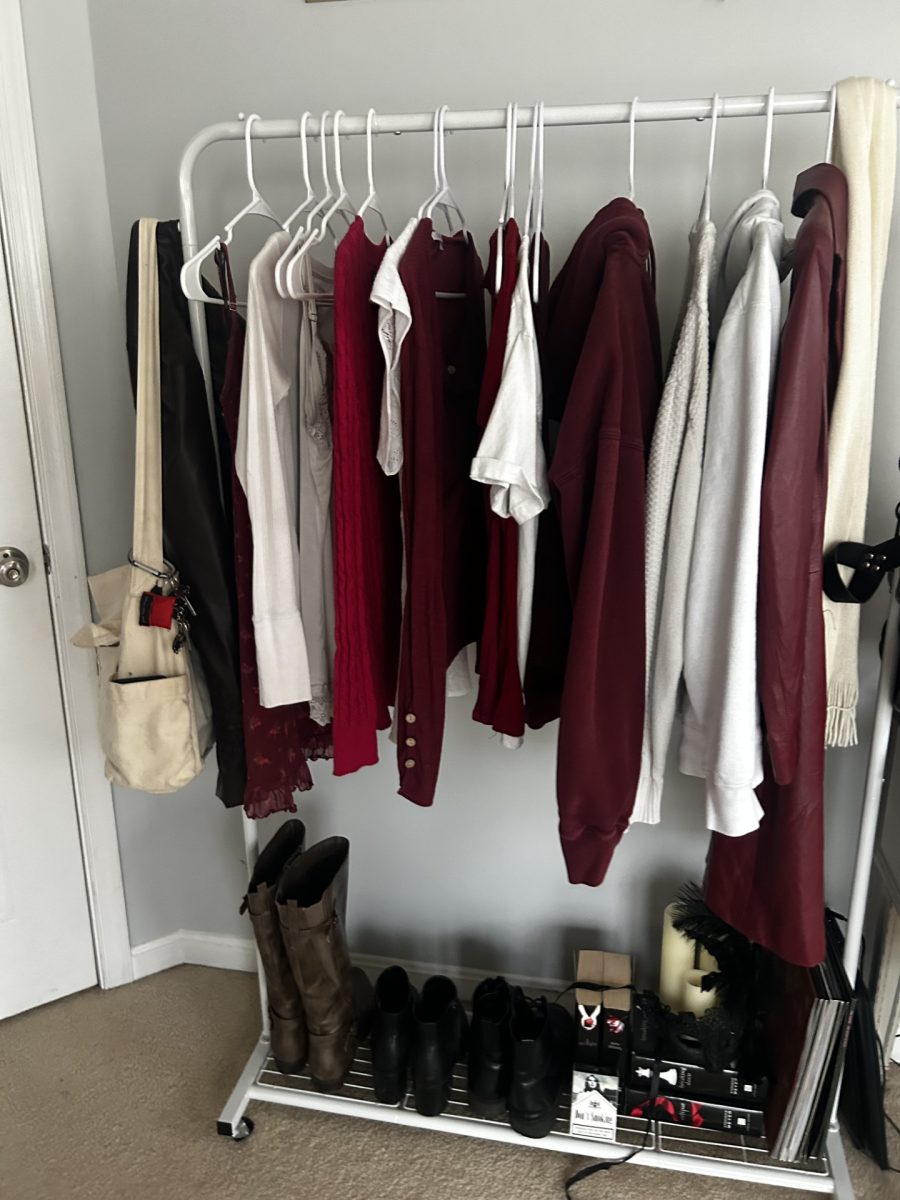


Behind almost every viral trend or clothing piece is a culture that barely receives any recognition, despite being the source of inspiration. This is the reality that many South Asians face as Western brands continue to profit off versions of Desi clothing and traditions without giving credit to their roots.
The Western world in general also uses many elements of Desi culture in their trends, usually in ways that are ignorant to South Asian tradition.
This problem has been very prevalent in the past few years, and it has sparked a lot of controversy. Many believe that it is cultural appropriation, which is when “members of a majority group adopt cultural elements of a minority group in an exploitative, disrespectful, or stereotypical way.”
However, not all usage of South Asian culture in the West is considered cultural appropriation. On Oct. 17, 2025, the famous actress and entertainer Lilly Singh held her fifth annual Diwali party in Los Angeles.
This party is viewed by many as celebrating South Asian culture instead of appropriating it. Various celebrities attended this party wearing traditional South Asian clothing such as lehengas, saris and kurtas. Singh explained how she wanted to “remind South Asian people that our culture is really beautiful” and show “people who are unfamiliar with Diwali. . . about our fun and vibrant culture.”
Singh’s party is an example of how South Asian traditions can be appreciated by all people without disrespecting or ignoring their cultural significance.
This cultural appreciation contrasts the appropriation taking place in the West in terms of different fashion items and “trends.”
Dupatta Turned “Scandinavian Scarf”
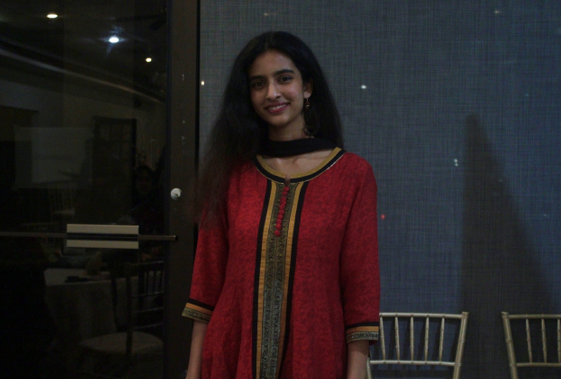
One major source of controversy regarding South Asian culture arose in early 2025. The Scandinavian Scarf trend blew up all over social media, starting with a post made on TikTok. This scarf was clearly inspired by the dupatta, which is a long, shawl-like garment traditionally worn in many South Asian countries such as India, Pakistan, Bangladesh and more.
The dupatta has a deep cultural significance, and it has evolved to be a staple in Desi cultural clothing. As this version of the dupatta began trending online in April, many referred to it as a “European” clothing piece, though it was truly derived from Desi origins.
Patriot High School student Devika Thampi (‘27) believes that mislabeling the dupatta is wrong. “A lot of South Asian culture is. . . frowned upon. . . and now all of the sudden it’s becoming trendy, but it’s not trendy for what it actually is.”
Western media is known to change a cultural tradition to something more modern to make it acceptable.
Dr. Anita Mannur, a professor at America University, specializes in Critical Race Gender and Culture Studies, specifically Asian culture. She explains how calling the dupatta by its traditional name can be seen as “too foreign” in the West. Instead, they adopt the term Scandinavian Scarf as it is more “chic” in their eyes.
Desi Clothing in Western Brands
The Lehenga is a traditional Indian piece worn during bridal ceremonies and festivals. It consists of a skirt, blouse, and a dupatta.
In recent times, there have been many Western brands that have used more modernized versions of lehenga in their clothing items. Brands such as Reformation, Oh Polly and PepperMayo have all gotten inspiration from desi clothing.
The use of lehenga in the western market strips the cultural significance of the piece. Many of the brands did not acknowledge the South Asian ties in their products.
This same problem was seen in June of 2025 with Prada’s leather flat sandals. They were almost identical to the design of Indian Kolhapuri chappals.
In India, the shoes cost about $12, while the Prada luxury shoes cost $800. Not only was this an instance of cultural appropriation, but it was a blatant upselling of the sandals.
After considerable backlash, Prada responded with statements giving credit to traditional Kolhapuri chappals. However, this was only after being called out for their appropriation, showing that they had no regard for South Asian culture beforehand.
Mannur explains how this backlash “unfortunately gives more attention to the companies. And people. . . might criticize them, but they sell out. These companies know what they’re doing. . . They know that they’re taking ideas, taking culture.”
She adds, “But it doesn’t matter for them, right? The negative press is still press.”
These examples could have been cultural appreciation had they acknowledged the Desi inspirations for the clothing pieces and gave credit where it is due.
South Asian Practices as “Trends”

There have been many trends that have derived from South Asian traditions, such as hair oiling, henna, yoga, etc.
Hair oiling is a tradition that has been a part of South Asian culture for ages as an ancient Ayurvedic ritual. A core memory for many brown children and an important family bonding moment in brown households comes from hair oiling. Often times, Asian mothers or grandmothers will oil their children’s hair as an act of love.
Recently, hair oiling has reached social media, and many influencers speak of its benefits. In addition, a lot of brands monetize from the trend by promoting their hair oils, although many brown people use standard coconut oil.
The problem is that hair oiling, something South Asians may have been judged for in their youth, has now become “trendy” and “acceptable” in the Western world.
Patriot High School student Himani Ghosh (‘27) shares that she had a similar experience when she was younger. “I came to school with oiled hair, and I would be made fun of, [but] now those girls might be partaking in hair oiling themselves. So, I feel like it’s just contradictory.”
Hair oiling is a part of desi culture that the West deemed dirty or weird back then, but now it is considered a “clean girl aesthetic.”
Another trend many people take part in is henna. Henna, traditionally known as Mehndi, is a temporary dye that ties back to ancient Indian traditions. It has become a form of art in many South Asian countries. In the West, Henna has been trending as fake freckles and henna tattoos. It is even described as having a “beachy” vibe.
Mannur states, “With henna. . . the calling of it as a tattoo. . . It’s again, taking something that’s a cultural practice and framing it in terms that are more palatable or more understandable to Western frames.”
Henna is not strictly South Asian, although it is an important part of the culture in many countries. People practicing henna trends in the West should be aware of the origins rather than being ignorant.
How Does It Affect South Asians?
The difference between appropriating a culture versus appreciating it is to be knowledgeable of where it originated from and understanding its cultural importance.
For many South Asians, their culture may have been seen as weird or unaccepted by the West. Due to this, identifying as desi and accepting their culture was hard for many.
Ghosh describes how she “wouldn’t resonate with being Indian” due to what the West deemed as acceptable/unacceptable. She states, “I feel like it really took me a long time to grow into my identity. . . and appreciate my own culture.”
Giving credit to South Asian culture and understanding the meaning behind different “trends” is especially important. Being ignorant of another culture is disrespectful to those who celebrate that culture. In order to truly celebrate different heritages, people must understand the cultural significance.
As the world continues to develop, South Asian culture is being more widely recognized and understood for what it is. This is a step in the right direction, but there is always room for improvement. South Asian culture is beautiful and deserves to be appreciated by all people, as long as it is done in the correct way.